44 new australian food labels
Iconic Australian Food | 17 Australian Foods You Should Try 11. BBQ's. When you think of Australia you think of surfing, nice weather, kangaroo's and the barbecue. "Throw another shrimp on the barbie" is a quote often said even though Australians call them prawns and not shrimps! In fact, many Aussies dislike this phrase and claim that it's just another Australian stereotype. New food labels will give Aussie shoppers easy guide to buying local 8:22am Jul 22, 2015 The new labels will show how much native Australian produce is used in Australian-made products. (9NEWS) New food labelling laws will give Australian shoppers a quick visual guide as to how ocker their groceries really are, the government has claimed.
Nutrition information panels - Food Standards Carbohydrates are in foods like bread, cereals, rice, pasta, milk, vegetables and fruit. Carbohydrates in the NIP includes starches and sugars. Foods with high amounts of starches are white, wholemeal and wholegrain varieties of breads, cereal, rice and pasta, root vegetables and legumes. Sugars

New australian food labels
New Australian food labels will list local food content but not foreign ... NEW food labels will reveal only the "Australian-ness" of groceries - meaning the consumers who bought contaminated berries earlier this year would not have known they were from China. The Abbott Government yesterday revealed that from next April 1 most groceries will have to include a label to explain the percentage of Australian ingredients. New Australian Food Labels And How To Read Them There are five new labels in total. The following three are identified with a kangaroo symbol: GROWN IN AUSTRALIA - You're good to go with this option as this label means your food is 100% grown in Australia. PRODUCT OF AUSTRALIA - Think canned or bagged goods where the ingredients are 100% Australian and they've been processed here too. Labelling - Food Standards Food labels also help to protect public health and safety by displaying information such as use by dates, ingredients, certain allergens, instructions for storage and preparation, and advisory and warning statements. FSANZ sets standards for what information must be on food labels. FSANZ has developed information on a range of labelling topics.
New australian food labels. › guidelinesThe Guidelines | Eat For Health Take note of the reference code attached to each product. Contact National Mailing and Marketing on health@nationalmailing.com.au or 02 6269 1080 to place an order.; Note: products marked with an asterisk (*) after the reference code are now not orderable. › aboutAbout FSANZ - Food Standards Aug 28, 2020 · Food Standards Australia New Zealand (FSANZ) is an independent statutory agency established by the Food Standards Australia New Zealand Act 1991 (FSANZ Act). FSANZ is part of the Australian Government's Health portfolio. FSANZ develops standards that regulate the use of ingredients, processing aids, colourings, additives, vitamins and minerals. Food labelling - healthywa.wa.gov.au Unless an exemption applies, the following information must be included on labels for food packages for retail sale or for catering purposes. Name or description of the food Name and business address for an Australia or New Zealand supplier Mandatory warning and advisory statements and declarations Ingredient listing Date marking Lot identification How to understand food labels - Eat For Health The HSR system was developed by Australian, state and territory governments, industry, public health and consumer groups. Ingredients List. All ingredients in a food product must be listed on the label in order (Food Labels - What do they mean? Food Standards Australia and New Zealand, from largest to smallest by weight.
› Series › F2015L00386Federal Register of Legislation - Australian Government Food Standards (Proposal P1043 – Code Revision (2016)) Variation Australia New Zealand Food Standards Code – Standard 1.2.1 – Requirements to have labels or otherwise provide information Superseded en.wikipedia.org › wiki › Food_energyFood energy - Wikipedia Many governments require food manufacturers to label the energy content of their products, to help consumers control their energy intake. To facilitate evaluation by consumers, food energy values (and other nutritional properties) in package labels or tables are often quoted for convenient amounts of the food, rather than per gram or kilogram; such as in "calories per serving" or "kcal per 100 ... 5 food labels to the australian guide of healthy eating Five ways to help tackle fussy eating; Food Labels. How are food so it's key to have plenty of healthy foods on offer. 3 THE AUSTRALIAN GUIDE TO HEALTHY EATING To eat a healthy diet: 1. Eat enough food from each of the five food groups every day. 2. Choose different varieties of foods Food labelling | NSW Food Authority New requirements for labelling the most common allergens in food commenced on 25 February 2021. The changes to the Food Standards Code will help people find allergen information on food labels more quickly and easily, so they can make informed and safe food choices. For more information see Changes to allergen labelling .
Labelling poster - how to read food labels This interactive resource explains the food labelling requirements set out in the Food Standards Code and what that information means. Click on the numbers to find out more about food labelling. A useful poster is also available. You can download a copy here (PDF 372KB), or for a printed A2 version please email information@foodstandards.gov.au. Labelling laws | NSW Food Authority The Food Standards Code states that all food labels must contain the following information: This information must be legible, prominent and in English. If a label is in another language, that's okay so long as essential information is also in English. * Food labels are legally required to show the name and Australian or New Zealand business ... New Australian Food Labels And How They Affect You There are five new labels in total. The following three are identified with a kangaroo symbol: GROWN IN AUSTRALIA - You're good to go with this option as this label means your food is 100% grown in Australia. PRODUCT OF AUSTRALIA - Think canned or bagged goods where the ingredients are 100% Australian and they've been processed here too. Food Labelling - Foodstream To access these services, see "Standard Labelling Services" below (or call us on 07 3137 1433, or use the contact form on this page If a more complete service is required - such as to include brand/graphic design - we work with other professionals in this area - such as Renee Weaver of Evolve Brand Design. Standard Labelling Services:
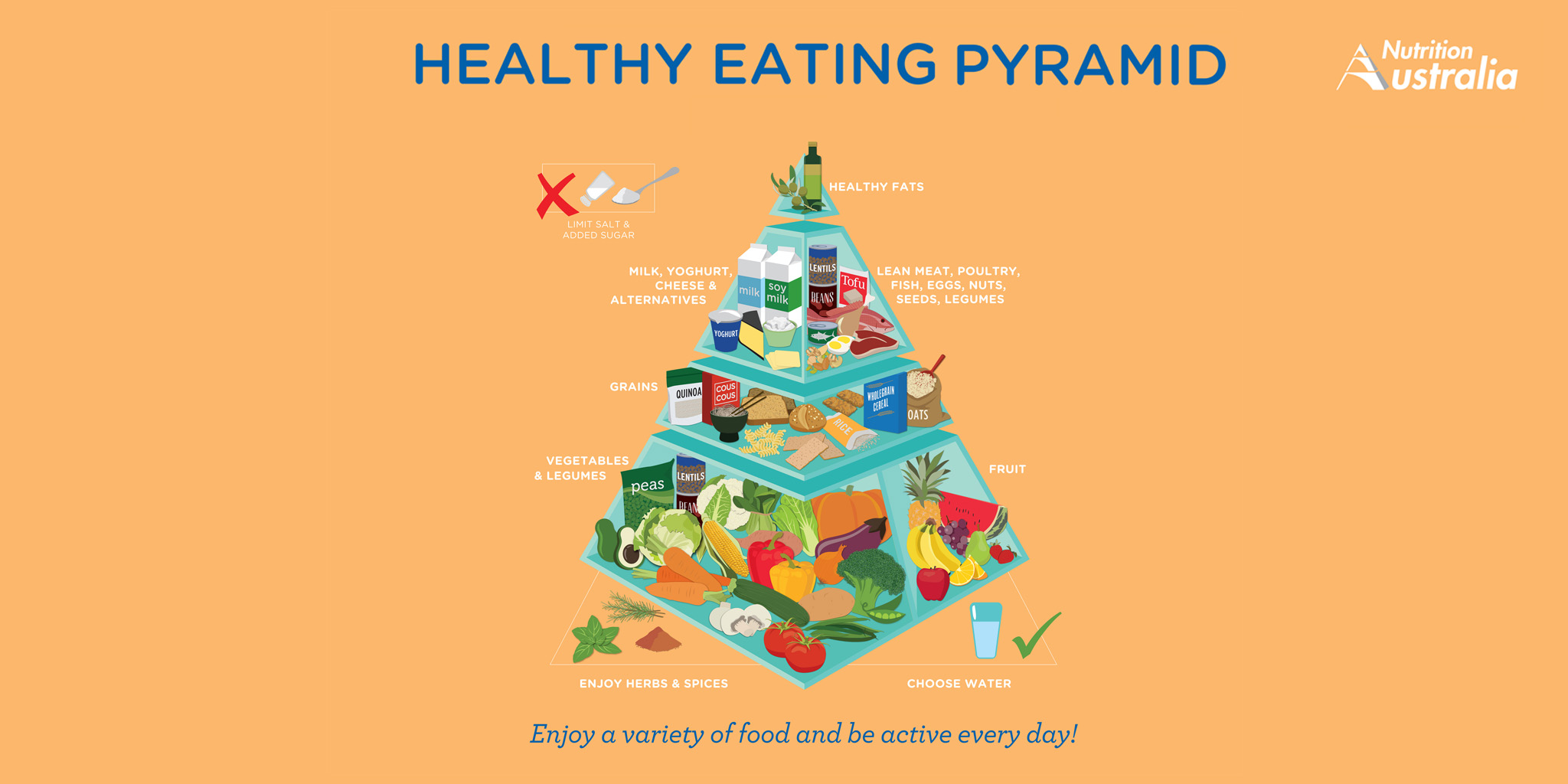
The New Healthy Eating Pyramid - One Handed Cooks
Allergen labelling - Food Standards peanuts tree nuts milk eggs sesame seeds fish shellfish soy lupin wheat. The Food Standards Code requires suppliers to declare these foods on labels whenever they are present as: ingredients components of food additives components of processing aids
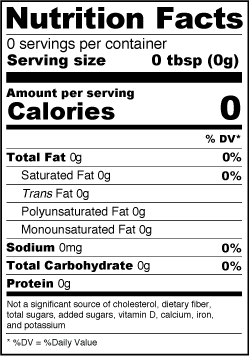
Food Nutrition Facts Label, Food Label Nutritional Analysis
Country of origin food labelling resources | business.gov.au Kangaroo logo - tells consumers the product was grown, produced or made in Australia. Bar chart - tells consumers the proportion of Australian ingredients, by ingoing weight. Text - clarifies the origin, the bar chart and the minimum Australian content. The standard mark must be in a clearly defined box. Examples of the standard mark:
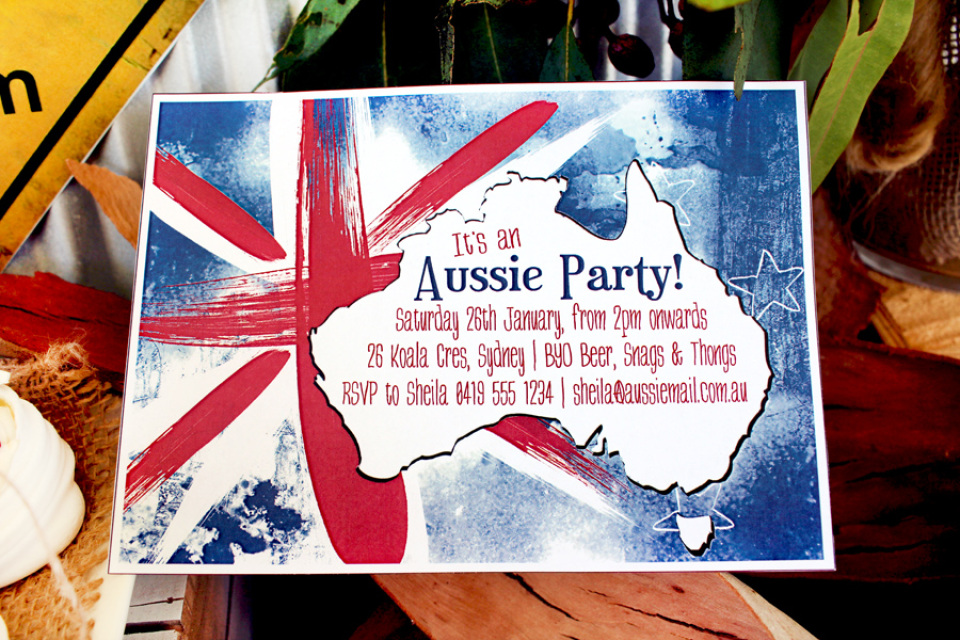
Australia Day party invitations and decorations
Food labelling - Health.vic Food labelling Key messages All packaged foods sold in Australia must comply with the labelling requirements of the Australia New Zealand Food Standards Code, which applies in Victoria through the Food Act 1984. Food labels must carry essential information, so that consumers are informed of the nature and properties of foods before they buy.
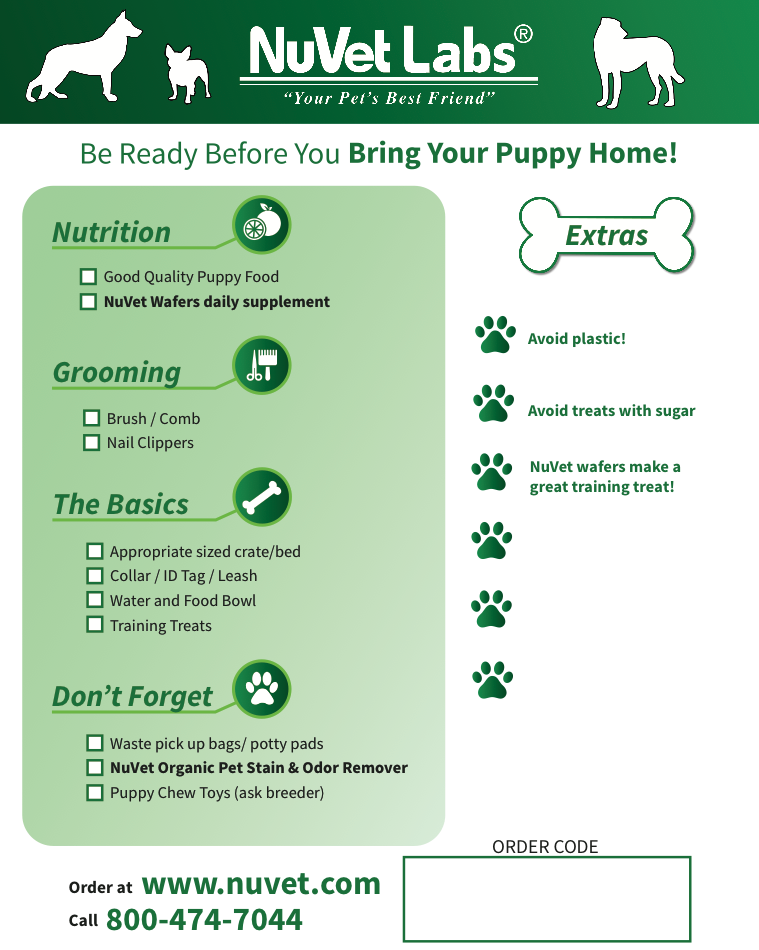
Your New Puppy Author Cindy Moore, cindy@k9web.com Copyright 1992-99. Table of Contents ...
Country of origin food labels | Department of Industry, Science, Energy ... Australian food labels must easily convey where food is grown, produced, made or packed. This helps consumers make informed decisions about the food they buy. Requirements and tools for business If you sell food in retail stores in Australia, you will need to consider if your products need country of origin food labels.

ChumleyScobey Art Room: Wayne Thiebaud Paintings
CHOICE guide to food labelling - Nutrition A reduced-fat product should have at least 25% less fat than the product it's being compared with (and the label should tell you what that is). Or look for "low-fat" which means less than 3% (or 1.5% for drinks). 93% fat free - That's 7% fat, but it looks so much better the other way around.

Foundation Defends Decision To Award Kim Jong-un Peace Prize
Food labels can make you healthier, without you even realising A new study, published on Saturday in PLOS Medicine, found that compared to Australian products that don't display a health star rating, those that do are 6.5 per cent more likely to have their ...
Post a Comment for "44 new australian food labels"